Introduction
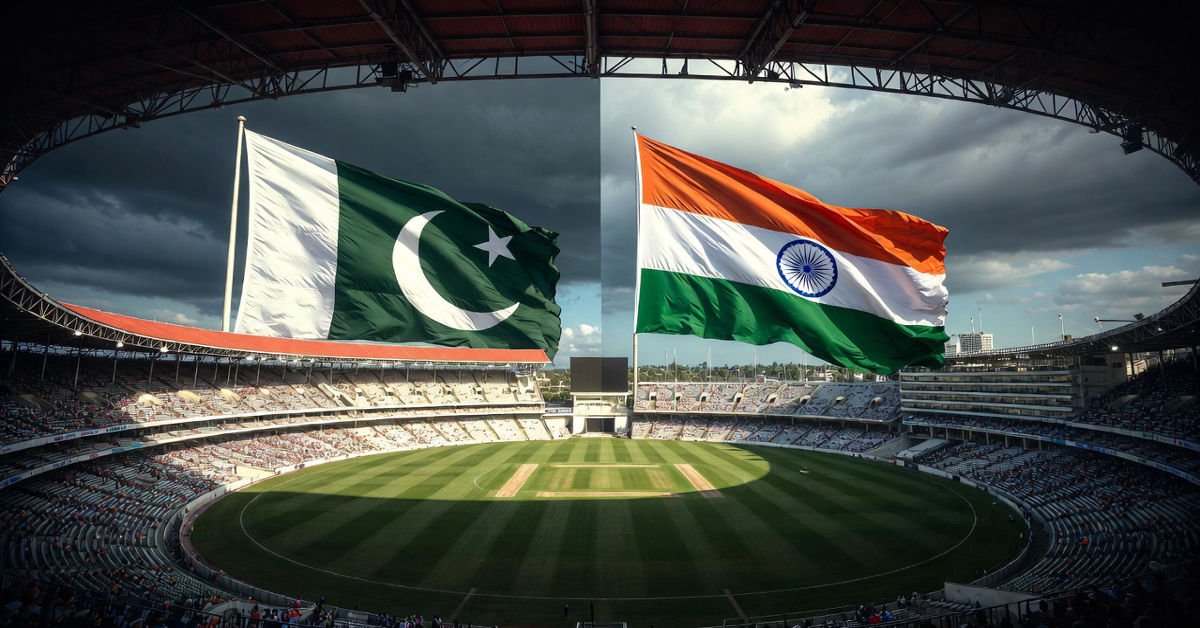
Pakistan boycotts India World Cup match: Pakistan has announced it will boycott its high-profile Twenty20 World Cup match against India, scheduled for February 15, while continuing to participate in the remainder of the tournament.
The decision comes amid rising regional tensions linked to deadly violence in Balochistan, diplomatic strain with Bangladesh, and long-standing disputes with India over security and cricket diplomacy.
Pakistan’s Interior Minister and Pakistan Cricket Board (PCB) Chairman Mohsin Naqvi has directly accused India of involvement in recent militant attacks inside Pakistan, claims New Delhi has not responded to publicly.
The boycott removes what is usually the most anticipated and commercially valuable fixture in world cricket.
Deadly Attacks in Balochistan Spark Political Fallout
On Saturday, coordinated armed assaults targeted police stations and government buildings across Quetta and several districts of Balochistan.
Officials reported nearly 200 fatalities, including:
-
31 civilians
-
17 security personnel
-
Over 140 suspected fighters
The banned militant group Balochistan Liberation Army (BLA) claimed responsibility, stating it carried out gun attacks and suicide bombings in nine districts of the province.
Balochistan, Pakistan’s largest yet poorest province, has long faced an insurgency driven by separatist movements targeting state institutions and foreign interests.
Pakistan Accuses India
Hours after the attacks, Interior Minister Mohsin Naqvi alleged Indian involvement.
“These were not ordinary terrorists. India planned these attacks with the militants,” he told local media, offering no publicly available evidence to support the claim.
This accusation has significantly raised tensions between the two nuclear-armed neighbours and directly influenced Pakistan’s cricket decision.
World Cup Tensions Were Already Building
The boycott also follows controversy involving Bangladesh’s removal from the T20 World Cup.
In January, the International Cricket Council (ICC) expelled Bangladesh from the tournament after Dhaka refused to play matches in India, citing security concerns. The ICC rejected those concerns and replaced Bangladesh with Scotland.
Bangladesh’s decision came amid worsening relations with India following political upheaval in Dhaka and public anger over India’s refusal to extradite former Prime Minister Sheikh Hasina.
Pakistan publicly supported Bangladesh’s position, accusing the ICC of applying “double standards”.
Pakistan’s Objection to ICC Policy
Naqvi criticised the ICC for allowing India to avoid playing matches in Pakistan during previous tournaments, while denying Bangladesh the same flexibility.
“You cannot have one rule for India and another for everyone else,” he said.
“Bangladesh deserves to be in the World Cup. They are a major stakeholder in global cricket.”
Under existing agreements, Pakistan will play its World Cup matches in Sri Lanka rather than India.
Impact on the World Cup Tournament
The India-Pakistan match is traditionally the most watched event of any ICC tournament.
Viewership and Financial Impact
| Factor | Impact |
|---|---|
| Expected global viewers | 150+ million |
| Advertising revenue | Major loss for broadcasters |
| Ticket sales | Significant loss for host stadium |
| Tournament prestige | Reduced marquee appeal |
In the 2021 T20 World Cup, the India-Pakistan match attracted 167 million viewers, making it the most-watched T20 international match in history.
With the boycott, broadcasters and sponsors lose one of their most profitable advertising windows.
What It Means for Pakistan’s Campaign
Under tournament rules, Pakistan will forfeit two points, which India will receive automatically.
This places Pakistan under pressure to win more matches in the group stage to qualify for the next round.
Points Consequence
| Team | Result |
|---|---|
| India | Gains 2 points |
| Pakistan | Loses match opportunity |
| Group standings | Pakistan faces tighter qualification race |
Cricket analysts warn the boycott could seriously damage Pakistan’s chances of progressing deep into the tournament.
A New Precedent in Cricket Diplomacy
India and Pakistan have not played bilateral cricket since 2012, meeting only in multinational events.
Under a 2025 agreement, both countries agreed to play ICC matches at neutral venues when one hosts a tournament.
Pakistan’s refusal to play even at a neutral venue could establish a new precedent — potentially allowing future boycotts by other nations for political reasons.
Broader Regional Context
Tensions across South Asia have been escalating:
-
Armed clashes between India and Pakistan earlier this year
-
Bangladesh’s exclusion from the World Cup
-
Rising anti-India sentiment in Dhaka
-
Accusations linked to Balochistan violence
These developments highlight how cricket, once seen as a bridge between rivals, is increasingly shaped by geopolitical conflict.
Conclusion
Pakistan’s boycott of its World Cup match against India reflects far more than a sporting dispute. It signals how deeply regional politics, security crises, and diplomatic breakdowns now influence international cricket.
With millions of fans deprived of the tournament’s most iconic clash, the decision underscores the fragile intersection between sports and geopolitics in South Asia.
As the World Cup begins, the absence of the India-Pakistan match will stand as a reminder that cricket’s greatest rivalry remains hostage to real-world conflict.
3 thoughts on “Pakistan boycotts India World Cup match”