Overview of the Case
The administration of Donald Trump has expanded federal charges related to a protest held at Cities Church in St Paul, increasing the number of defendants from nine to 39 individuals.
The protest, which occurred on January 18, was organized in response to a recent surge in immigration enforcement actions across Minnesota. Federal officials allege that the demonstration disrupted religious services and violated laws protecting freedom of worship.
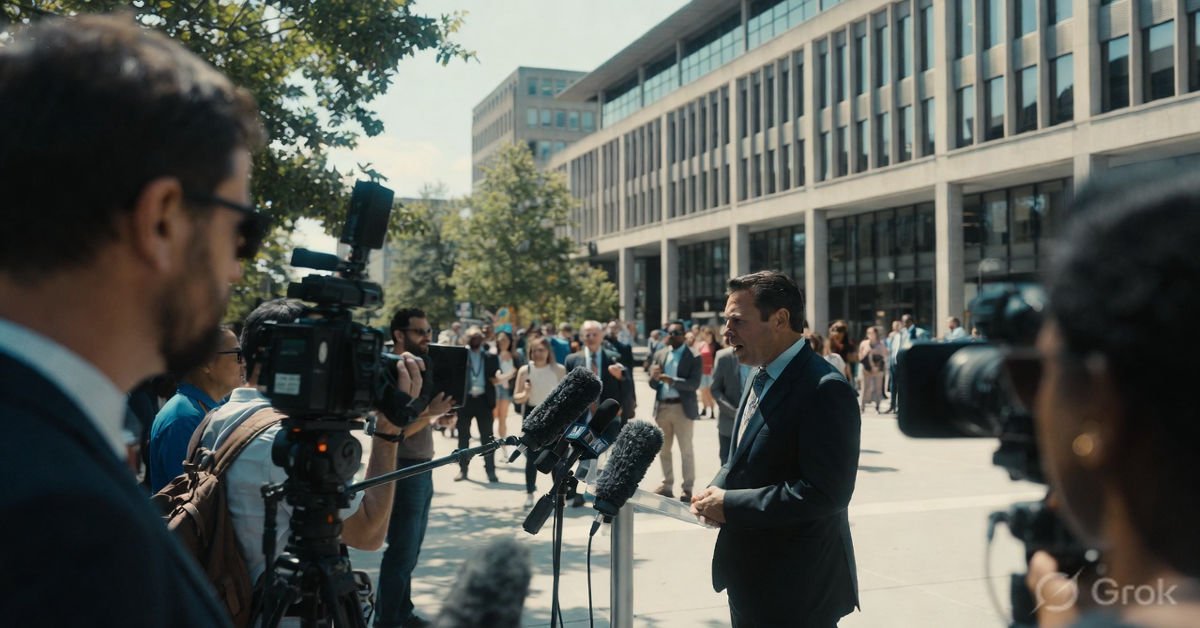
Attorney General Pam Bondi confirmed the expanded indictment through a public statement, warning that protests interfering with religious institutions would be prosecuted under federal law.
What Authorities Allege
According to court filings, the defendants face two federal counts:
-
Conspiracy against the right to religious freedom
-
Injury, intimidation, or interference with religious worship
Prosecutors claim that protesters entered the sanctuary, occupied aisles, blocked exits, and chanted loudly during services, creating what they described as a threatening environment for congregants and clergy.
Federal officials say arrests have already been made for most of the newly charged individuals, with additional actions expected.
Key Facts of the Indictment
| Category | Details |
|---|---|
| Location | Cities Church, St Paul, Minnesota |
| Date of Protest | January 18 |
| Total Defendants | 39 |
| Initial Charges | 9 individuals |
| Expanded Charges | +30 individuals |
| Main Allegations | Interfering with religious freedom, intimidation |
| Legal Basis | Federal civil rights and religious protection statutes |
Journalists Among the Accused
Some defendants have denied participating as protesters, stating they were present in professional roles. Among them are media figures including Don Lemon and journalist Georgia Fort.
Both have pleaded not guilty and questioned whether the charges infringe on press freedom and First Amendment protections.
Civil liberties advocates argue that the prosecution risks setting a precedent that could discourage lawful protest and journalistic observation.
Background: Immigration Enforcement in Minnesota
The protest followed a major immigration operation in the Minneapolis–St Paul region, particularly affecting communities in Minneapolis and surrounding areas.
Federal immigration authorities, including Immigration and Customs Enforcement (ICE), deployed thousands of agents as part of an enforcement campaign aimed at alleged fraud and undocumented migration networks.
Human rights groups reported instances of:
-
Excessive use of force
-
Warrantless home entries
-
Pepper spray and physical confrontations
-
Detentions later deemed unlawful
Public outrage intensified after the fatal shooting of a Minnesota resident during an ICE operation earlier in January, which triggered nationwide demonstrations.
Timeline of Key Events
| Date | Event |
|---|---|
| Early December | Immigration enforcement surge announced |
| January 7 | Fatal ICE shooting sparks protests |
| January 18 | Protest held at Cities Church |
| January 22 | Initial charges against 9 protesters rejected |
| January 29 | Grand jury issues expanded indictment |
| February | Operation begins winding down |
Political and Religious Context
Since returning to office, President Trump has emphasized outreach to Christian conservative voters, promoting initiatives focused on protecting religious freedom and addressing what he calls anti-Christian bias.
Supporters say the legal action demonstrates a commitment to safeguarding houses of worship. Critics, however, view the prosecution as an attempt to discourage opposition to immigration policy and silence dissent.
Legal experts note that the courts will ultimately decide whether the protest crossed the line from protected speech into unlawful interference.
Voices from the Protest Movement
Several protesters have stated they will contest the charges in court, citing constitutional rights to free speech and peaceful assembly.
Civil rights attorney Nekima Levy Armstrong wrote on social media that the movement intends to remain vigilant over immigration enforcement practices.
“This is not the time for silence. It’s time for truth, justice, and freedom to prevail,” she stated.
What Happens Next?
The case now moves forward in federal court, where judges will determine:
-
Whether the charges meet constitutional standards
-
If press freedom protections apply to certain defendants
-
How religious freedom laws intersect with protest rights
Observers expect the trial to become a landmark case balancing freedom of worship with freedom of expression.
Conclusion
The expanded indictment related to the Minnesota church protest reflects a broader national debate over immigration policy, civil liberties, and religious protection laws. As proceedings continue, the case is likely to shape how future protests near religious institutions are handled under U.S. federal law.