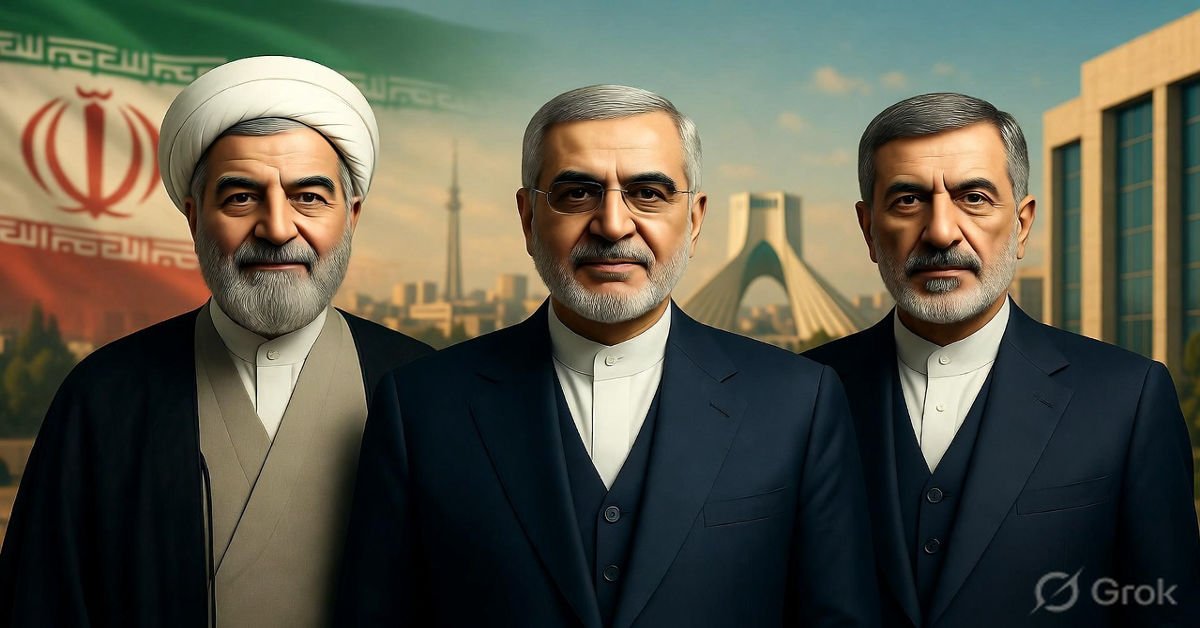
Following the reported killing of Iran’s Supreme Leader Ali Khamenei in Israeli-US air strikes, Iranian authorities have announced the formation of a temporary leadership council to manage state affairs until a new supreme leader is formally selected.
The decision comes at a moment of heightened regional tension, as Iran has vowed retaliation and continues to face diplomatic pressure from United States and Israel.
Under Iran’s constitution, leadership cannot remain vacant. Therefore, an interim body has been activated to ensure continuity of governance and political stability.
What Is Iran’s Interim Leadership Council?
According to Article 111 of Iran’s Constitution, when the position of supreme leader becomes vacant or the leader is unable to perform duties, a temporary leadership council must assume responsibilities until a successor is chosen by the Assembly of Experts.
This three-member council currently includes:
-
The President of Iran
-
The Head of the Judiciary
-
A senior cleric from the Guardian Council
Their role is administrative and supervisory, ensuring that the country continues functioning while the religious establishment begins the process of selecting the next supreme leader.
Read more:Epstein Files Fallout: Europe Faces Political Reckoning While the US Response Remains Muted
Members of the Interim Leadership Council
| Name | Current Position | Political Profile |
|---|---|---|
| Ayatollah Alireza Arafi | Guardian Council member & Deputy Chairman of Assembly of Experts | Senior cleric, religious authority |
| Masoud Pezeshkian | President of Iran | Reform-minded politician |
| Gholam-Hossein Mohseni-Ejei | Chief Justice of Iran | Conservative, hardline figure |
Ayatollah Alireza Arafi: Religious Authority
Ayatollah Alireza Arafi has been a member of the Guardian Council since 2019, an influential body responsible for reviewing legislation and approving election candidates in line with Islamic law.
He also serves as the deputy chairman of the Assembly of Experts, which is tasked with selecting the next supreme leader. Based in Qom, Iran’s most important religious center, Arafi oversees religious seminaries nationwide and leads weekly Friday prayers.
His presence on the council represents continuity of Iran’s clerical leadership during the transition period.
Masoud Pezeshkian: Reformist President
President Masoud Pezeshkian, aged 71, is a heart surgeon by profession and a former military medic during the Iran-Iraq War. He previously served as health minister and later as a member of parliament representing Tabriz.
Elected president in 2024, Pezeshkian campaigned on a platform focused on:
-
Economic stabilization
-
Reducing social restrictions
-
Diplomatic engagement with the international community
After the assassination of Khamenei, Pezeshkian stated that Iran views retaliation as a legitimate right, signaling a firm stance amid rising tensions.
Read more:Indian PM Modi Israel visit key takeaways
Gholam-Hossein Mohseni-Ejei: Judiciary Chief
Gholam-Hossein Mohseni-Ejei has served as head of Iran’s judiciary since 2021. A senior cleric, he previously held roles as intelligence minister, prosecutor-general, and deputy chief justice.
Known for his conservative views, Mohseni-Ejei has taken a strong position against protests and internal unrest. Earlier this year, during nationwide demonstrations linked to economic instability, he warned that authorities would show “no leniency” toward what he termed unlawful actions.
International Reactions and Rising Tensions
Following the attack, Donald Trump publicly called on Iranians to challenge their government, describing the moment as a rare opportunity for political change.
Iran, however, has rejected foreign interference and has reportedly launched retaliatory strikes against Israeli and US interests in the Gulf region. Religious leaders have moved quickly to begin the constitutional process of selecting Khamenei’s successor.
Read more:Trump administration charges protesters in Minnesota
What Happens Next?
The Assembly of Experts will now begin deliberations to appoint a new supreme leader. This process may take weeks or months, depending on political consensus among senior clerics.
Until then, the interim council will:
-
Oversee state administration
-
Maintain internal security
-
Guide foreign and defense policy
-
Supervise the leadership transition
Observers believe the coming period will be one of the most sensitive moments in Iran’s modern political history.