Introduction
UAE President Iran attacks Gulf conflict Tensions in the Middle East continue to rise as Iran’s attacks on Gulf countries hosting United States military assets escalate. The President of the United Arab Emirates, Sheikh Mohamed bin Zayed Al Nahyan, recently addressed the situation publicly for the first time, stating that the UAE is prepared to confront growing threats to its national security.
The conflict has led to missile and drone strikes across the Gulf region, affecting airports, oil production facilities, and civilian infrastructure. As global attention focuses on the region, leaders from several countries have issued warnings and statements about the potential consequences of continued escalation.
UAE President Addresses the Situation
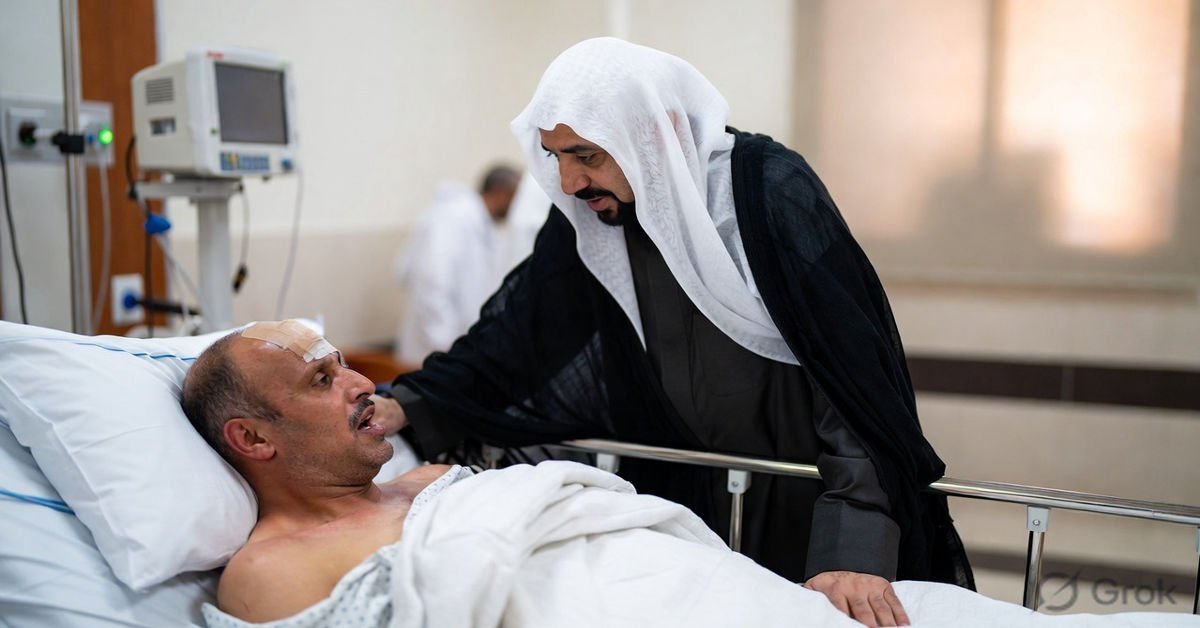
During a hospital visit to meet wounded civilians and security personnel, Sheikh Mohamed bin Zayed Al Nahyan emphasized that the UAE remains resilient despite the attacks.
He stated that the country is currently experiencing a “period of war” but remains confident that it will overcome the crisis.
“The UAE has thick skin and bitter flesh – we are no easy prey,” the president said during remarks broadcast on Abu Dhabi TV.
In a social media statement, the UAE leader also assured citizens that the government is committed to protecting public safety and critical infrastructure. The country has recently experienced attacks affecting major locations such as airports, tourist areas, and diplomatic facilities.
Read more:India vs Namibia T20 World Cup 2026 match preview
Impact of Attacks in the UAE
The recent wave of Iranian missile and drone attacks has caused damage and disruption across the Emirates.
One tragic incident involved a civilian driver who was killed when debris from an intercepted missile struck his vehicle in Dubai. Authorities confirmed that the victim was an Asian national.
Several important locations in the UAE have reportedly been targeted during the conflict.
Key Locations Affected
| Location | Type of Incident | Impact |
|---|---|---|
| Dubai Airport | Intercepted projectile debris | Temporary disruption |
| Abu Dhabi Airport | Drone and missile threats | Heightened security |
| Palm Jumeirah | Drone strike reports | Property damage |
| Burj Al Arab | Missile threat | Increased defense measures |
| US Consulate in Dubai | Drone debris fire | Minor structural damage |
These attacks forced temporary flight suspensions and airspace closures, affecting international travel and trade.
Read more:US Israel attack on Iran
Iran’s Conflicting Statements
Iranian President Masoud Pezeshkian initially issued an apology to neighboring Gulf countries, stating that Iran did not intend to target them directly. However, the apology was quickly contradicted by Iran’s judiciary chief Gholamhossein Mohseni Ejei, who warned that attacks could continue.
Ejei claimed that some countries in the region were allowing their territories to be used by foreign forces against Iran.
According to his statement:
-
Countries assisting Iran’s enemies could face continued heavy attacks
-
Military targets linked to hostile forces remain potential objectives
-
Iran considers itself justified in responding to US-Israeli actions
Iran’s Foreign Minister Abbas Araghchi later clarified that Iran is open to de-escalation if neighboring countries do not allow their territories or airspace to be used against Iran.
Escalation Across the Gulf Region
The conflict has expanded beyond the UAE, impacting several members of the Gulf Cooperation Council (GCC).
GCC Countries Affected by Attacks
| Country | Reported Incident |
|---|---|
| Saudi Arabia | Missile launched toward Prince Sultan Air Base |
| Qatar | Missile interception by defense forces |
| Kuwait | Drone intercepted near oil facilities |
| Bahrain | US base targeted at Jufair |
| UAE | Multiple drone and ballistic missile attacks |
| Oman | Heightened military monitoring |
These incidents have led to airspace restrictions, disrupted flights, and concerns over oil supply chains.
Read more:Gas prices surge after QatarEnergy halts LNG production
Strategic Risks to Infrastructure
One of the most alarming developments occurred when Iran reportedly targeted US forces in Bahrain after a desalination plant on Qeshm Island was attacked.
Experts warn that targeting water infrastructure could cause severe humanitarian consequences.
According to geopolitical analyst Harlan Ullman, desalination facilities are critical for the Gulf region.
Gulf Water Dependency
| Resource Source | Percentage of Supply |
|---|---|
| Desalinated Water | 95% |
| Groundwater | 3% |
| Imported Water | 2% |
If desalination facilities are disrupted, millions of residents across Gulf countries could face water shortages.
Wider Military Developments
Meanwhile, the conflict between Iran, Israel, and the United States continues to intensify.
Recent developments include:
-
Israeli air forces launching over 80 fighter jet strikes on Iranian military targets
-
US President Donald Trump warning Iran of stronger retaliation
-
Reports that 42 Iranian naval vessels were sunk during recent clashes
-
Missile attacks reported between Iran and Israel multiple times in one day
Iran also reportedly targeted a Marshall Islands-flagged oil tanker in the Strait of Hormuz, a crucial route for global energy exports.
Read more:Precision Strike Missile PrSM
Iran’s Leadership Transition
Another major political development is the potential selection of a new Iranian Supreme Leader.
Iran’s Assembly of Experts is expected to meet within 24 hours to begin discussions about leadership succession.
However, Iran’s ambassador to the United Nations Amir Saeid Iravani strongly rejected suggestions that foreign powers should influence the process.
Global Economic and Security Implications
The ongoing conflict has implications far beyond the Middle East. Energy markets, international shipping routes, and aviation networks are all feeling the impact.
Key Global Risks
| Sector | Potential Impact |
|---|---|
| Oil Markets | Supply disruptions and price spikes |
| Aviation | Flight cancellations and rerouting |
| Shipping | Risks in Strait of Hormuz |
| Tourism | Decline in Gulf travel |
| Global Security | Increased geopolitical instability |
Experts warn that continued escalation could trigger wider regional instability.
Read more:India vs New Zealand T20 World Cup Final
Conclusion
The ongoing conflict between Iran, the United States, and regional allies has pushed the Middle East into one of its most tense periods in recent years. As missile and drone attacks continue, Gulf countries are strengthening defenses and preparing for possible further escalation.
UAE President Sheikh Mohamed bin Zayed Al Nahyan has emphasized that the nation is ready to face any threat while protecting its citizens and infrastructure.
While diplomatic solutions remain possible, the coming weeks will be critical in determining whether the conflict escalates further or moves toward de-escalation.
1 thought on “UAE President Iran attacks Gulf conflict”