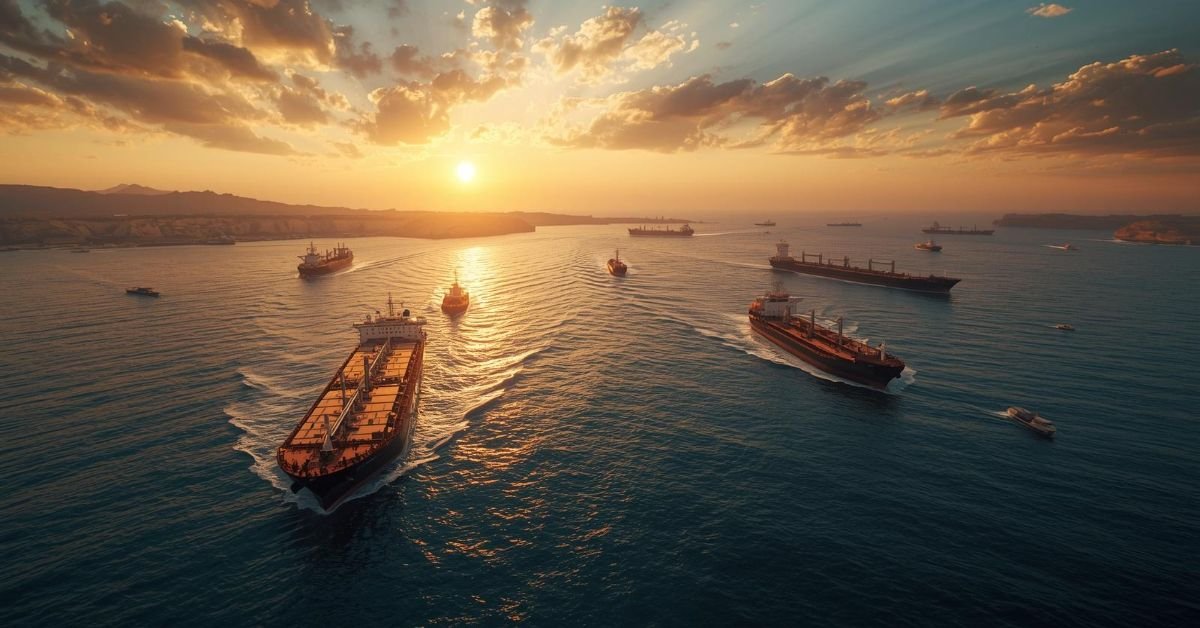
Strait of Hormuz commercial shipping safety remains one of the world’s most critical maritime routes, carrying nearly 20% of global oil and liquefied natural gas (LNG) shipments during normal trading periods. Recent military tensions in the Gulf region have severely disrupted shipping through this narrow passage, creating uncertainty for global energy markets, shipping companies, and marine insurers.
As commercial vessels remain delayed and insurance premiums surge, the biggest question for the shipping industry is: When will the Strait of Hormuz be considered safe again for normal commercial transit?
This article examines the current situation, the mine-clearing challenge, what insurers need before restoring coverage, and how global trade may be affected in the months ahead.
Why the Strait of Hormuz Matters to the Global Economy
The Strait of Hormuz is often described as the world’s most important energy chokepoint because it connects major Gulf oil-producing nations to international markets.
Key Facts About the Strait of Hormuz
| Factor | Details |
|---|---|
| Location | Between Iran and Oman |
| Global Oil Transit | Around 20% of world supply |
| LNG Shipments | Major route for Qatar and Gulf exporters |
| Strategic Importance | Vital for Asia, Europe, and global markets |
| Current Situation | Shipping disruption and heightened military risk |
Any prolonged disruption in this route can quickly impact:
✔ Global oil prices
✔ Fuel inflation
✔ Shipping costs
✔ Supply chain stability
✔ Economic growth worldwide
What Is Happening in the Strait of Hormuz?
Following escalating military conflict in the region, shipping movement through Hormuz has become heavily restricted. Thousands of commercial vessels have faced delays, while shipping operators remain cautious about resuming full operations.
Several concerns continue to affect navigation:
- Possible naval conflict escalation
- Restricted transit approvals
- Threat of sea mines
- Military patrol uncertainty
- Risk of vessel seizure or attack
These risks make the route commercially challenging even if authorities officially reopen it.
How Long Will Mine Clearance Take?
One of the largest obstacles to reopening safe shipping lanes is mine removal operations.
Experts believe clearing mines from strategic sea lanes may take months, depending on:
- Number of deployed mines
- Water depth
- Detection technology availability
- Naval coordination between countries
- Ongoing military tensions
Estimated Mine Clearance Timeline
| Stage | Estimated Time |
|---|---|
| Survey operations | 2–6 weeks |
| Detection & mapping | 1–2 months |
| Active mine removal | 2–4 months |
| Final safety verification | Several weeks |
| Total estimated process | 4–6 months or longer |
Even after mines are removed, shipping confidence may take longer to recover.
Why Insurance Companies Are Still Cautious
Marine insurers do not require zero risk—but they do require measurable and predictable risk.
Currently, uncertainty remains high because:
- Security conditions change rapidly
- Vessel transit rules remain unclear
- Regional tensions continue
- Shipping lanes are not fully normalised
- Mine risk is difficult to verify completely
Insurance companies typically look for:
✅ Stable ceasefire conditions
✅ Clear naval security guarantees
✅ Freedom of navigation assurances
✅ No recent vessel attacks
✅ Verified mine-clearing progress
✅ Consistent safe commercial transit over time
Only after these conditions improve will insurers gradually restore standard coverage.
Shipping Insurance Costs Have Risen Sharply
War-risk insurance premiums for vessels passing through Hormuz have increased significantly.
Estimated War-Risk Premium Changes
| Period | Premium Rate |
|---|---|
| Before conflict | Below 0.25% of hull value |
| Current high-risk estimates | 1%–5% of hull value |
| Example on $100 million vessel | Up to $5 million premium |
This sharp increase directly raises:
- Fuel delivery costs
- Consumer energy prices
- Shipping company operating expenses
- Import/export pricing worldwide
What Must Happen Before Hormuz Is Considered “Safe”?
Industry experts say confidence will only return when the following happen consistently:
1) Lasting Regional Stability
A temporary pause in conflict may not be enough. Markets need durable peace.
2) Reliable Security Patrols
Naval monitoring must create predictable shipping conditions.
3) Verified Mine Clearance
Commercial routes must be independently confirmed safe.
4) Normal Vessel Flow
Large-scale regular commercial movement must resume.
5) Insurance Market Confidence
Underwriters must be willing to provide affordable coverage.
Global Economic Impact
If disruption continues, consequences may include:
- Higher global oil prices
- Increased inflation
- Rising shipping charges
- Slower industrial production
- Pressure on Asian and European importers
- Greater recession fears worldwide
Energy-importing economies like India, China, Japan, and several European nations may feel the strongest impact.
Expert Outlook
Strait of Hormuz commercial shipping safety may reopen partially before it becomes commercially safe in insurance terms. For insurers and shipping companies, “safe” means:
predictable security, cleared sea lanes, and sustained peaceful navigation conditions
Even under optimistic conditions, restoring full confidence could take several months, while premium rates may remain elevated well beyond reopening.
For now, global markets will continue closely monitoring developments in this vital shipping corridor.