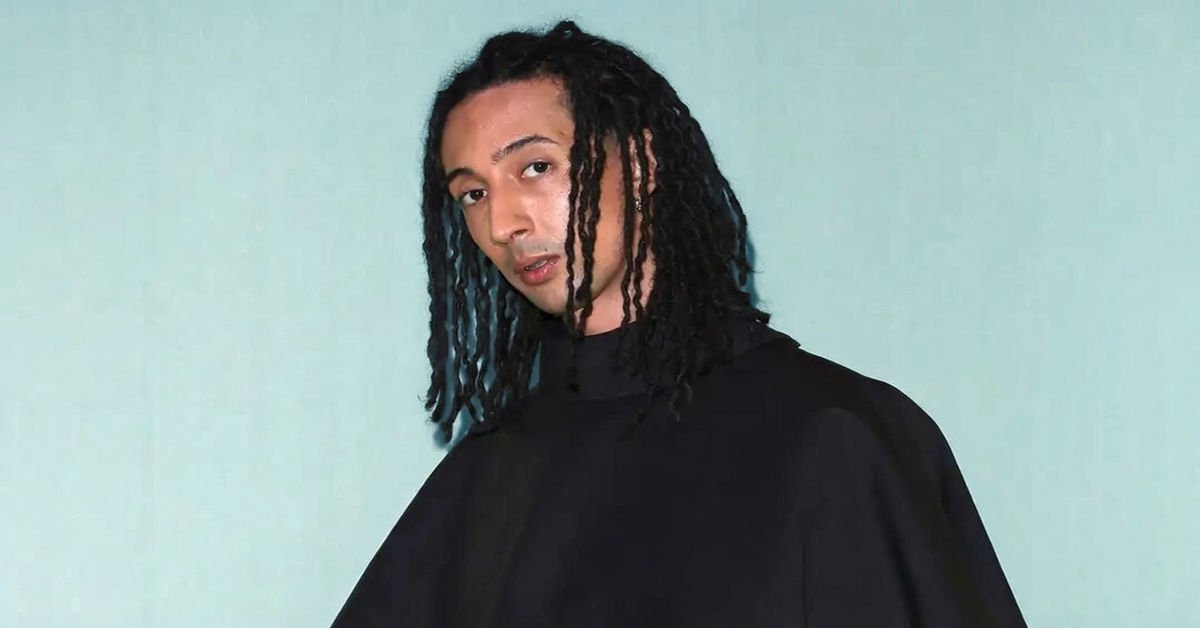
Ghali Winter Olympics controversy: The Milano-Cortina 2026 Winter Olympics are set to open on Monday with a star-studded ceremony at Milan’s iconic San Siro Stadium. However, the announcement that Italian rapper Ghali will be one of the opening performers has ignited political debate and public criticism across Italy.
The controversy highlights the ongoing intersection of sport, culture, and politics, raising questions about artistic freedom and the Olympic Games’ commitment to neutrality.
Who Is Ghali and Why Is His Inclusion Controversial?
Ghali Amdouni, professionally known as Ghali, is a Milan-born rapper of Tunisian heritage and one of Italy’s most popular contemporary music artists. His music has attracted a large youth following and often reflects themes of identity, social justice, and belonging.
The backlash stems from comments Ghali made during Italy’s famous Sanremo Music Festival in 2024, where he publicly called for a “stop to the genocide” while referencing Israel’s military campaign in Gaza. His remarks drew national attention and divided public opinion at the time.
Now, with his selection for the Winter Olympics opening ceremony, those statements have resurfaced in Italy’s political debate.
Political Criticism From Italy’s Right Wing
Members of Italy’s right-wing League Party, part of Prime Minister Giorgia Meloni’s governing coalition, have strongly opposed Ghali’s participation.
Some party figures accused the rapper of promoting political views that they believe conflict with Italy’s diplomatic stance. A League Party source described Ghali in Italian media as a “pro-Palestinian extremist” and questioned whether he should represent the country on an international stage.
The criticism reflects broader tensions in Europe over how artists and athletes express opinions on global conflicts.
Government Response: Call for Artistic Freedom
Italy’s Sports Minister Andrea Abodi attempted to calm the situation by stating that the Olympic opening ceremony would not be used for political messaging.
“I may disagree with Ghali’s views, but a democratic country must be able to accept opinions it does not share,” Abodi said. “Those opinions will not be expressed on the Olympic stage.”
Officials emphasized that the ceremony’s focus will remain on culture, unity, and sport rather than political discourse.
Will the Opening Ceremony Become Politically Charged?
So far, Ghali has not responded publicly to the criticism. Organizers insist the performance lineup was selected for artistic and cultural value rather than political symbolism.
Observers note that Olympic ceremonies often aim to showcase diversity and national creativity. Ghali’s inclusion is seen by supporters as a way to connect with younger audiences and reflect modern Italian society.
Other Performers at the Milano-Cortina Opening Ceremony
Alongside Ghali, the ceremony will feature internationally recognized artists, creating a blend of classical and pop music.
Confirmed Performers
| Artist Name | Genre | Country |
|---|---|---|
| Andrea Bocelli | Classical Tenor | Italy |
| Mariah Carey | Pop | United States |
| Ghali | Rap / Pop | Italy |
This diverse lineup is designed to appeal to global viewers and represent Italy’s musical heritage and modern culture.
Sport and Politics: A Longstanding Tension
This is not the first time the Olympics have been linked to political controversy. From athlete protests to government boycotts, the Games have often reflected global conflicts beyond sport.
Experts argue that Ghali’s case demonstrates how social media and celebrity influence now amplify political debates far beyond stadiums.
Public Reaction and Media Attention
Italian media outlets remain divided. Some commentators view the criticism as an attack on freedom of expression, while others argue that Olympic ceremonies should remain politically neutral.
International attention has also grown, as the situation mirrors similar debates seen in other countries about whether artists should be judged for their political statements when representing national events.
Conclusion
As the Milano-Cortina Winter Olympics begin, Ghali’s participation symbolizes a wider discussion about identity, expression, and the boundaries between art and politics.
While controversy surrounds his past remarks, officials insist the opening ceremony will remain focused on unity and celebration. Whether the debate continues or fades will depend on how the event unfolds and how audiences respond.