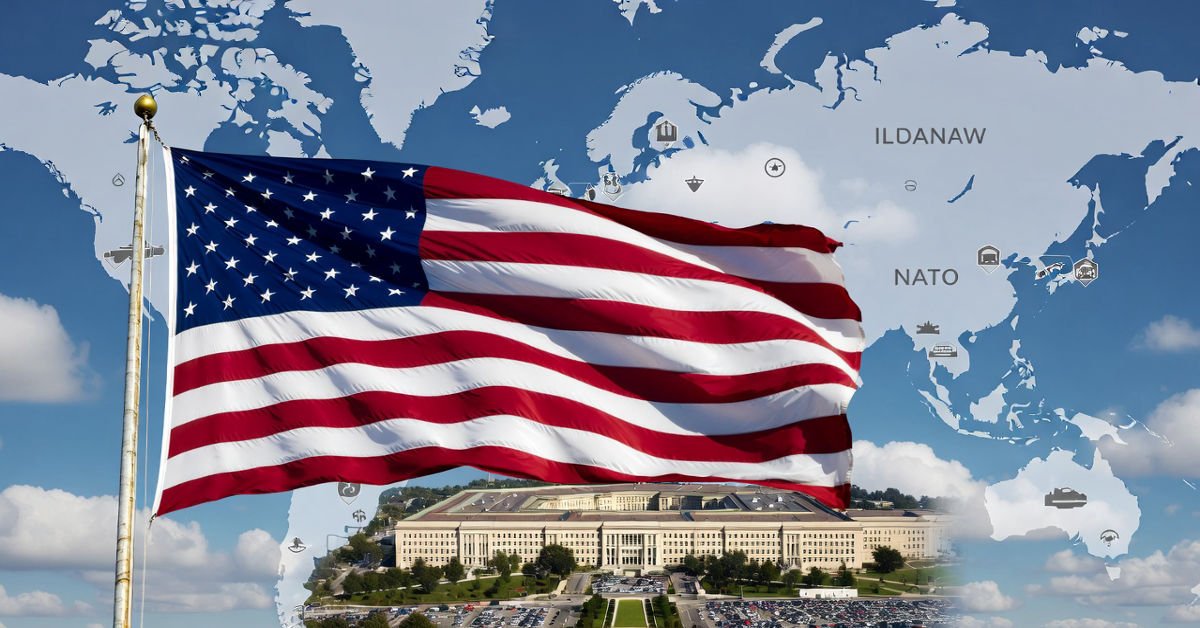
The Pentagon’s 2026 National Defense Strategy (NDS) signals a major shift in US priorities, suggesting that China is no longer considered the top security threat. Instead, the United States is pivoting its focus toward the Western Hemisphere, a move aligned with President Donald Trump’s broader foreign policy agenda. This strategic recalibration has significant implications for US allies in Europe and the Indo-Pacific region.
US Shifts Focus from China to Western Hemisphere
According to the 34-page NDS released late Friday, the US Defense Department now prioritizes the security of the homeland and Western Hemisphere over global threats. The document emphasizes that allies such as South Korea and Japan must bear a larger share of the collective defense burden, echoing President Trump’s long-standing call for allies to increase their defense commitments.
Key highlights of the 2026 NDS include:
| Priority | Description |
|---|---|
| Homeland Defense | Primary focus on protecting the US and Western Hemisphere from direct threats. |
| Allied Responsibility | Encourages allies to manage their own defense and reduce reliance on US forces. |
| Strengthening Industrial Bases | Enhances domestic defense manufacturing and technological capabilities. |
| Deterring China | Shifts from containment to deterrence through strength rather than confrontation. |
The strategy underscores that US support for allies will be limited to situations where it aligns with American interests, signaling a more transactional approach to global security.
Trump’s National Security Vision
The 2026 NDS aligns with Trump’s National Security Strategy, which emphasizes restoring US dominance in the Western Hemisphere, reviving the Monroe Doctrine, and minimizing overseas engagements unless they directly benefit American security.
The Pentagon plans to:
-
Provide military and commercial access to strategic locations such as Greenland.
-
Construct the “Golden Dome” missile defense system for North America.
-
Approach China with strength, not confrontation, focusing on deterrence instead of containment.
The strategy also reflects recent controversial moves, including the US interest in Greenland and the abduction of Venezuelan President Nicolás Maduro, actions justified as protecting US security and economic interests.
Implications for US Allies
Europe
The NDS signals that Europe is now a secondary priority. NATO allies are encouraged to take primary responsibility for their own defense, including support for Ukraine. The Pentagon stresses that while the US will continue providing critical support, it will not compensate for shortfalls caused by allied decisions.
South Korea and Japan
For allies in the Indo-Pacific, the Pentagon acknowledges the direct threat from North Korea, particularly its growing nuclear capabilities. The document suggests that South Korea is capable of primary defense against North Korea, with US forces playing a supporting role.
| Country | Current US Forces | Key Notes |
|---|---|---|
| South Korea | 28,500 troops | US support limited; Seoul expected to take lead on deterrence |
| Japan | US bases and military presence | Encouraged to contribute more to regional security |
| Taiwan | Not mentioned by name | US maintains favorable balance of power in Indo-Pacific to deter threats |
South Korean President Lee Jae Myung emphasized the importance of self-reliant national defense, stating that Seoul’s military capacity is sufficient to protect itself amid an unstable international environment.
Taiwan and the Indo-Pacific
Notably, Taiwan is not directly mentioned in the 2026 NDS. The strategy emphasizes maintaining a favorable balance of military power in the Indo-Pacific, the world’s economic center, to deter potential threats from China.
The Pentagon clarifies that the US does not seek to dominate or humiliate China, but aims to prevent any single power from controlling the region or threatening US and allied interests.
Harsh Pant, a geopolitical analyst in New Delhi, explained:
“The US remains committed to allies in the Indo-Pacific. While it expects them to take on more responsibility, Washington is focused on maintaining a stable balance of power where China is not dominant.”
Key Takeaways
-
China is no longer the top US security threat, as the focus shifts to the Western Hemisphere.
-
Allies must share the defense burden, especially in Europe and the Indo-Pacific.
-
North Korea and regional threats remain a priority, but US support will be more limited.
-
Taiwan remains under the US security umbrella, indirectly, but is not explicitly mentioned in the new strategy.
-
The US emphasizes strength, deterrence, and strategic presence rather than global intervention.
This shift in strategy reflects a pragmatic and transactional approach to US foreign policy, balancing domestic priorities with global obligations. Allies will need to adapt to new responsibilities while maintaining strong cooperation with the United States.
1 thought on “Pentagon downplays China threat”