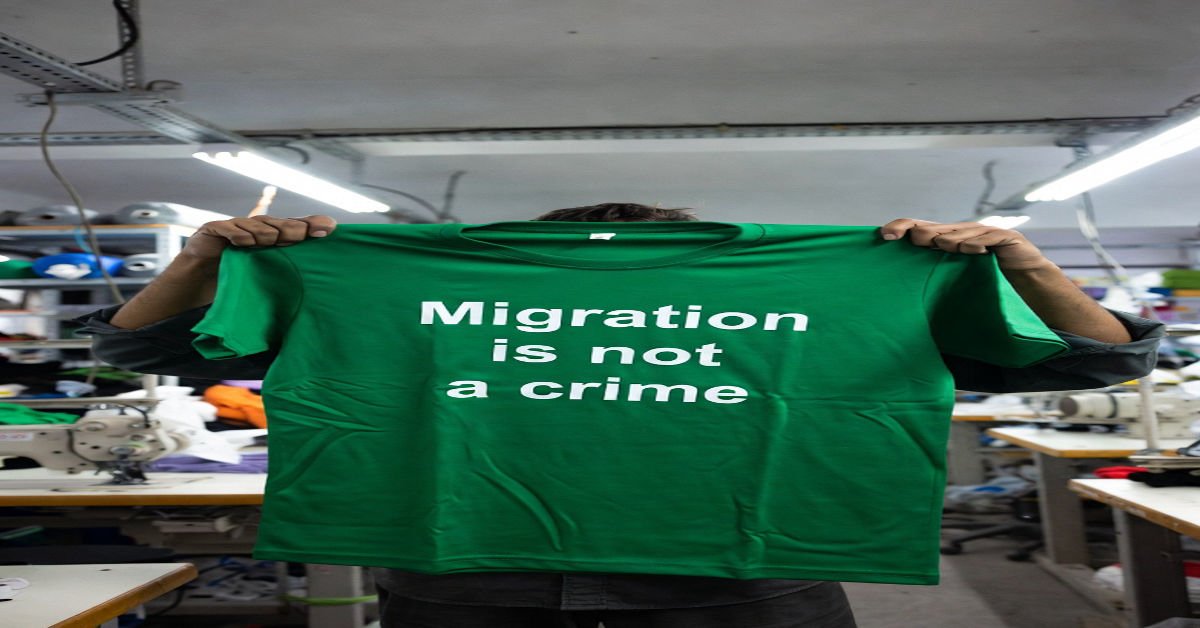
Spain regularises undocumented migrants: While many Western nations are tightening immigration rules, Spain has taken a sharply different path. The Spanish government has announced plans to grant legal status to nearly 500,000 undocumented migrants, highlighting what it calls the positive economic and social impact of migration.
This move places Spain at odds with stricter approaches adopted in parts of Europe and the United States, where immigration policies have become increasingly restrictive.
A Chance for Stability and Dignity
For many migrants, the announcement represents hope after years of uncertainty. Joel Caceda, a 30-year-old from Peru living in Barcelona, has spent years working informal jobs after losing his left arm in a farming accident. Like thousands of others, he has survived by taking physically demanding work without legal protection.
With the new regularisation plan, migrants who have lived and worked in Spain without documents may finally gain legal recognition, access to stable employment, and the ability to build a secure family life.
Why Spain Says Migration Matters
According to Spain’s Migration Ministry, the policy is not only humanitarian but also practical. Officials argue that migrants already play a vital role in sectors such as agriculture, construction, caregiving, logistics, and hospitality.
Spain’s Prime Minister Pedro Sánchez has repeatedly stated that migration is essential to address labour shortages and support an ageing population that places growing pressure on pensions and welfare systems.
Key Reasons Behind the Decision
| Factor | Why It Matters |
|---|---|
| Ageing population | Fewer young workers are entering the labour market |
| Labour shortages | Key industries rely heavily on migrant workers |
| Tax contributions | Legal status allows migrants to pay taxes and social security |
| Social integration | Reduces exploitation in the informal economy |
Migrants and the “Black Economy”
For years, undocumented migrants in Spain have worked in what is often referred to as the black economy—jobs without contracts, job security, or legal protection. This situation leaves workers vulnerable to exploitation and unsafe conditions.
By offering legal status, the government aims to:
-
Reduce illegal employment
-
Improve working conditions
-
Increase tax and social security contributions
-
Strengthen labour market transparency
Migration advocates say this could transform lives while also benefiting the wider economy.
Voices From the Community
Ousman Umar, originally from Ghana, knows the migrant journey firsthand. After years of hardship trying to reach Europe, he eventually rebuilt his life in Spain and later founded an NGO focused on education and opportunity in Africa.
He believes the policy will benefit the entire country, not just migrants. Once regularised, workers can fully participate in society—legally employed, paying taxes, and contributing to pension systems at a time when birth rates are low.
Similarly, migrant worker and activist Lamine Sar says the decision will help end exploitation and give dignity to people who already contribute to Spanish society.
Who Is Eligible for Regularisation?
The new measure applies to migrants who meet specific conditions. Applications will open for a limited time, and eligibility is clearly defined.
| Eligibility Criteria | Details |
|---|---|
| Minimum stay | Living in Spain for at least 5 months |
| Protection request | Applied for international protection before Dec 31, 2025 |
| Family inclusion | Children already living in Spain are included |
| Application period | April to June (specific dates announced by authorities) |
The government passed the measure by decree, avoiding a parliamentary vote where opposition parties could have blocked the proposal.
Political Reaction and Opposition
Not everyone supports the move. The far-right party Vox strongly criticised the decision, arguing that it could encourage further migration and strain public services such as healthcare and social security.
However, official data suggests that irregular migration to Spain dropped by more than 40 percent last year, largely due to cooperation agreements with countries in North Africa and West Africa.
A Different Path for Europe?
As immigration remains a divisive topic across Europe, Spain’s approach stands out. Supporters say it balances economic reality with human dignity, while critics warn of long-term pressures on public systems.
What is clear is that Spain has chosen a path focused on integration rather than exclusion, recognising the contribution of people who are already part of its workforce and society.
For hundreds of thousands of migrants, the policy could mark the beginning of legal stability—and for Spain, a strategic investment in its future workforce.
1 thought on “Spain regularises undocumented migrants”