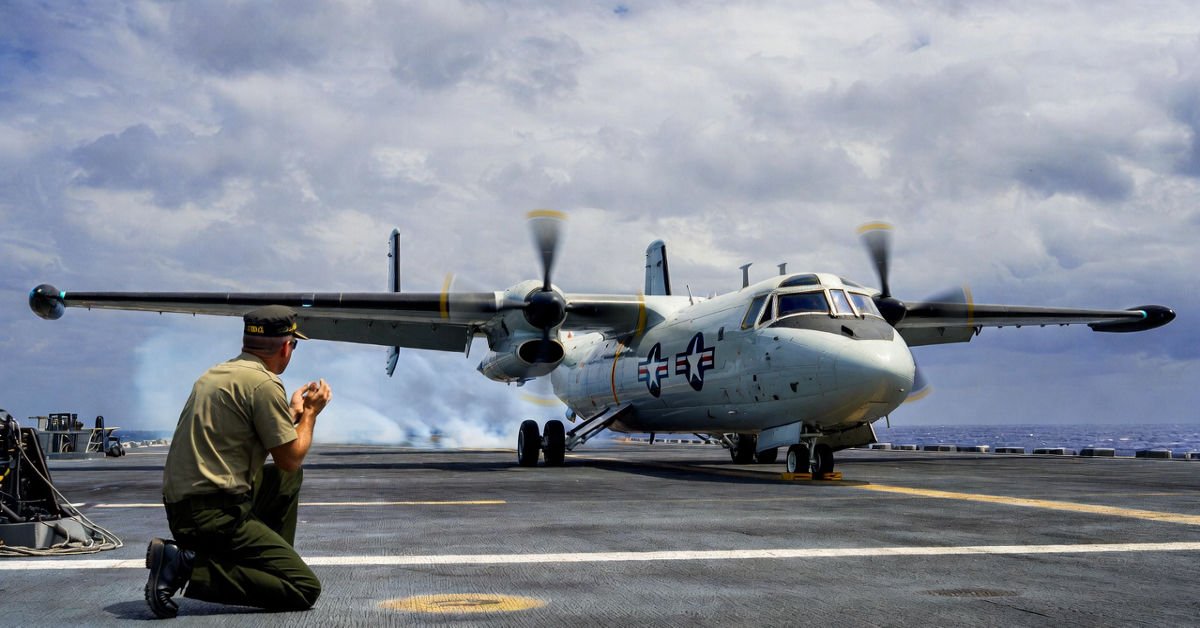
US military deployment in the Middle East: Rising tensions between the United States and Iran have prompted Washington to reposition major naval and air assets toward the Middle East. Former President Donald Trump confirmed that a large US naval force is moving toward the Gulf region, sparking concerns about the possibility of renewed military confrontation.
The deployment comes amid political unrest in Iran, recent sanctions, and warnings from Iranian military leaders that any attack would make US bases in the region legitimate targets.
This article explains what forces are being deployed, why the US is making this move, and how Iran and the international community are responding.
Why Is the US Moving Warships to the Gulf?
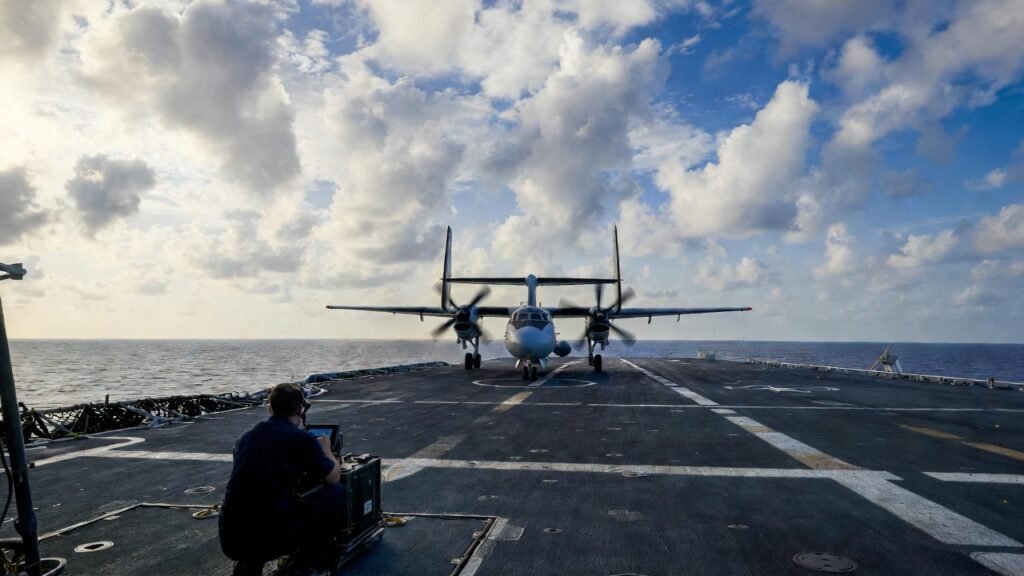
Donald Trump stated that a US “armada” is heading toward the Middle East with Iran as its primary focus. According to US defense officials, an aircraft carrier strike group and additional naval and air defense systems are being moved into the region as a precautionary measure.
Trump said:
“We’re watching Iran closely. We have a big force going that way. Maybe we won’t have to use it, but we’ll see what happens.”
The move follows weeks of unrest in Iran, where protests broke out over economic hardship and political grievances. While Trump initially voiced support for protesters, he later softened his rhetoric as demonstrations were suppressed.
Military analysts believe the deployment is meant to deter Iranian aggression and protect US personnel and allies rather than signal an immediate attack.
Key US Military Assets Heading to the Region
The aircraft carrier USS Abraham Lincoln was redirected from the South China Sea toward the Middle East. Its strike group includes advanced destroyers capable of launching Tomahawk cruise missiles and intercepting incoming threats.
Main US Military Assets Being Deployed
| Asset | Capability | Purpose |
|---|---|---|
| Aircraft Carrier Strike Group | Fighter jets, helicopters, radar systems | Power projection and air operations |
| Arleigh Burke-class Destroyers | Tomahawk missiles, Aegis defense system | Missile defense and strike capability |
| Submarines (reported) | Cruise missile launches | Stealth attack and deterrence |
| B-2 Bombers (past operations) | Long-range precision bombing | Strategic strikes |
| Air Defense Systems (planned) | Missile interception | Protection of US bases |
These systems provide both offensive and defensive power, allowing the US to respond quickly to any regional escalation.
How Large Is the US Military Presence in the Middle East?
The US has maintained a military presence in the Middle East for decades. Today, between 40,000 and 50,000 US troops are stationed across the region.
According to the Council on Foreign Relations, the US operates military facilities in at least 19 locations, including eight permanent bases.
Countries Hosting Permanent US Military Bases
| Country | Status |
|---|---|
| Bahrain | Permanent base |
| Egypt | Permanent base |
| Iraq | Permanent base |
| Jordan | Permanent base |
| Kuwait | Permanent base |
| Qatar | Permanent base |
| Saudi Arabia | Permanent base |
| United Arab Emirates | Permanent base |
The first large deployment occurred in 1958 during the Lebanon crisis. Since then, US military involvement has expanded due to regional conflicts and security commitments.
Iran’s Response: Strong Warnings from Military Leaders
Iranian officials have responded forcefully to the US buildup.
Ali Abdollahi Aliabadi, who coordinates Iran’s armed forces and Revolutionary Guard, warned that any US strike would turn American bases into “legitimate targets.”
Revolutionary Guard commander General Mohammad Pakpour stated that Iran is “more ready than ever, with a finger on the trigger.”
Iran’s Foreign Minister Abbas Araghchi also wrote that if attacked, Iran would retaliate fully, warning that a confrontation would be longer and more destructive than Washington anticipates.
Earlier this month, the US withdrew some personnel from its bases after Tehran threatened reprisals.
Impact on Air Travel and Civil Aviation
While regional airspace remains open, airlines have begun adjusting operations due to security concerns.
Several international carriers temporarily suspended or delayed flights:
-
Air France canceled and later resumed flights between Paris and Dubai
-
Luxair postponed flights from Luxembourg to Dubai
-
KLM and Transavia canceled select flights to Dubai and Tel Aviv
Airlines cited safety and continuous monitoring of geopolitical developments as reasons for their decisions.
New US Sanctions on Iran
The United States has also intensified economic pressure on Tehran. New sanctions were imposed on nine vessels and their owners accused of illegally transporting Iranian oil.
US Treasury officials said the ships are part of a “shadow fleet” used to bypass sanctions and generate revenue for Iran’s government.
Latest US Sanctions Summary
| Target | Reason |
|---|---|
| 9 oil tankers | Smuggling sanctioned Iranian oil |
| Ship owners | Financing government repression |
| Flags involved | Palau, Panama, others |
Treasury Secretary Scott Bessent said the sanctions aim to cut off funding used to suppress protests and restrict internet access inside Iran.
Protests in Iran and International Reaction
Protests began in late December following the collapse of Iran’s currency and worsened economic conditions. The government crackdown resulted in thousands of deaths, according to different sources.
Reported Casualty Figures
| Source | Estimated Deaths |
|---|---|
| Iranian government | 3,117 |
| UN discussions | Under review |
| Human Rights Activists News Agency | 5,137 confirmed |
The United Nations Human Rights Council passed a resolution condemning Iran’s handling of the protests. Iran’s envoy rejected the criticism, accusing Western nations of hypocrisy.
Is the US Preparing for War with Iran?
Despite the visible military movement, US officials say the deployment is defensive and meant to deter conflict. Trump himself suggested the show of force could prevent violence rather than provoke it.
However, with warnings from Iran, rising sanctions, and regional instability, experts caution that even a small incident could spiral into broader confrontation.
For now, the situation remains tense but uncertain.
Conclusion
The US military’s renewed presence in the Middle East reflects a fragile balance between deterrence and diplomacy. With aircraft carriers, missile defenses, and thousands of troops in place, Washington is signaling strength while hoping to avoid direct conflict.
Iran’s firm warnings and international concern over air travel and sanctions show how quickly regional tensions can affect global stability. Whether this buildup prevents war or pushes both sides closer to it will depend on political decisions made in the coming weeks.
2 thoughts on “US military deployment in the Middle East”