Introduction
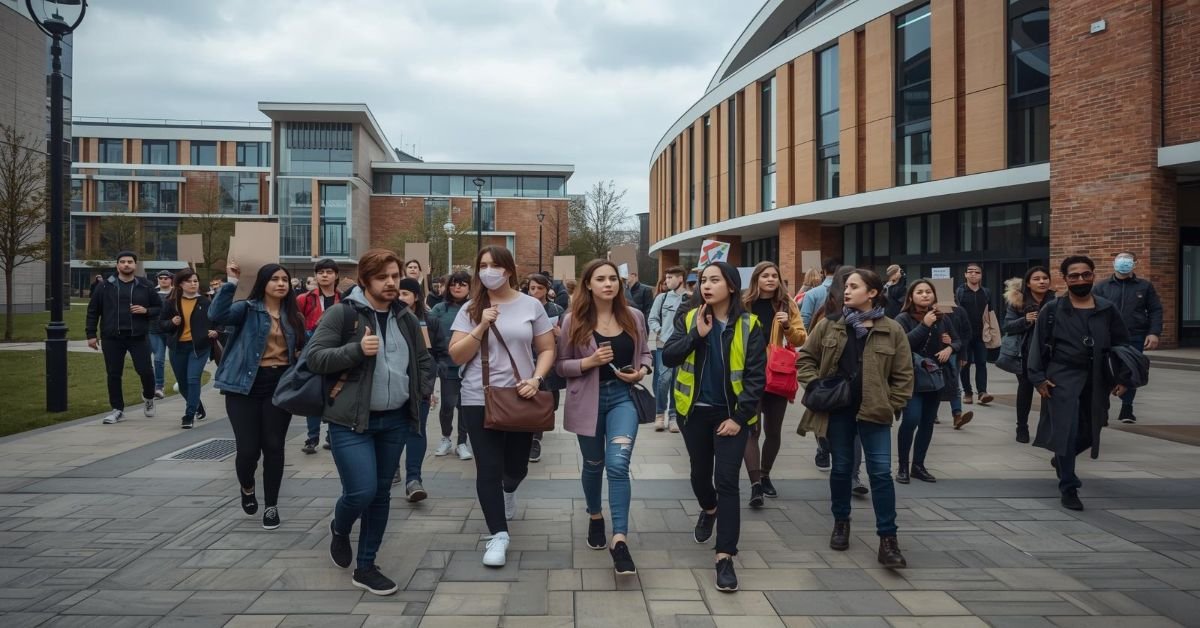
UK universities student surveillance controversy: A recent investigation has raised questions about how several UK universities monitor campus activities, particularly student protests. Reports suggest that a private security consultancy firm was contracted by multiple institutions to assess potential risks linked to demonstrations and external speakers.
The issue has sparked debate around privacy, academic freedom, and campus safety, with stakeholders offering differing perspectives on the necessity and implications of such practices.
Background of the Investigation
An inquiry conducted by independent media and civil liberty organizations revealed that a number of universities across the United Kingdom engaged a private firm to analyze publicly available information, including social media activity, to better understand protest movements and potential risks.
The firm, known for its expertise in security and intelligence analysis, has reportedly worked with universities since 2022, providing insights aimed at maintaining campus safety.
Universities and Security Monitoring Practices
Several well-known institutions were named as clients of the consultancy. These universities reportedly used the service to stay informed about large-scale protests and external speaker engagements.
Key Institutions Mentioned
| University Name | Purpose of Monitoring |
|---|---|
| University of Oxford | Risk assessment and event monitoring |
| Imperial College London | Identifying potential campus disruptions |
| University College London | Security planning and awareness |
| King’s College London | Monitoring public protest activity |
| University of Sheffield | Horizon scanning for external risks |
| University of Leicester | Event-related risk analysis |
| University of Nottingham | Campus safety preparedness |
| Cardiff Metropolitan University | Public safety and protest awareness |
How the Monitoring Was Conducted
The consultancy reportedly used open-source intelligence (OSINT) methods, which involve collecting publicly available data such as:
- Social media posts
- Public event announcements
- News reports
- Online forums
These insights were compiled into reports shared with university security teams to help them prepare for potential disruptions.
Financial Overview
The total spending by universities on such services has been estimated at over £400,000 since 2022.
Spending Breakdown
| Year | Estimated Spending (£) |
|---|---|
| 2022 | 120,000 |
| 2023 | 150,000 |
| 2024–2025 | 170,000+ |
| Total | 440,000+ |
Concerns Raised by Experts
Some legal and human rights experts have expressed concerns about the broader implications of these practices.
Key Issues Highlighted
- Data Privacy: Even publicly available data, when aggregated, may raise ethical concerns
- Transparency: Limited disclosure about how data is used
- Academic Freedom: Potential chilling effect on student activism
- Use of AI: Automated tools analyzing large volumes of data
A United Nations expert on freedom of assembly noted that large-scale data analysis, especially when supported by artificial intelligence, may require stronger safeguards and oversight.
University Responses
Universities involved have generally emphasized that:
- The monitoring focused only on publicly available information
- No personal or private student data was shared
- The primary goal was to ensure campus safety and operational readiness
- They remain committed to free speech and lawful protest
Some institutions also clarified that such measures are part of broader responsibilities under national security guidelines.
Case Examples
Monitoring of Student Activity
In some instances, reports included summaries of student-led protests and public posts related to demonstrations. These updates were used internally to anticipate campus developments.
External Speaker Assessments
Universities also conducted background checks on guest speakers as part of risk assessment protocols, especially for discussions involving geopolitical topics.
Ethical and Legal Context
The use of security intelligence in universities operates within legal frameworks, including national counter-terrorism policies. However, critics argue that:
- Oversight mechanisms need strengthening
- Clearer guidelines on acceptable monitoring practices are required
- Universities should maintain a balance between security and individual rights
- UK universities student surveillance controversy
Impact on Student Communities
Some student groups and academic representatives have voiced concerns that such monitoring could:
- Create a sense of surveillance
- Discourage participation in peaceful protests
- Affect mental well-being
Others argue that responsible monitoring can help ensure protests remain safe and organized.
Conclusion
The use of private security intelligence services by UK universities highlights an ongoing tension between safety and civil liberties. While institutions maintain that these measures are necessary for risk management, the debate underscores the importance of transparency and ethical responsibility.
As universities continue to evolve in a digital and politically active environment, finding the right balance will remain critical.
1 thought on “UK universities student surveillance controversy”